
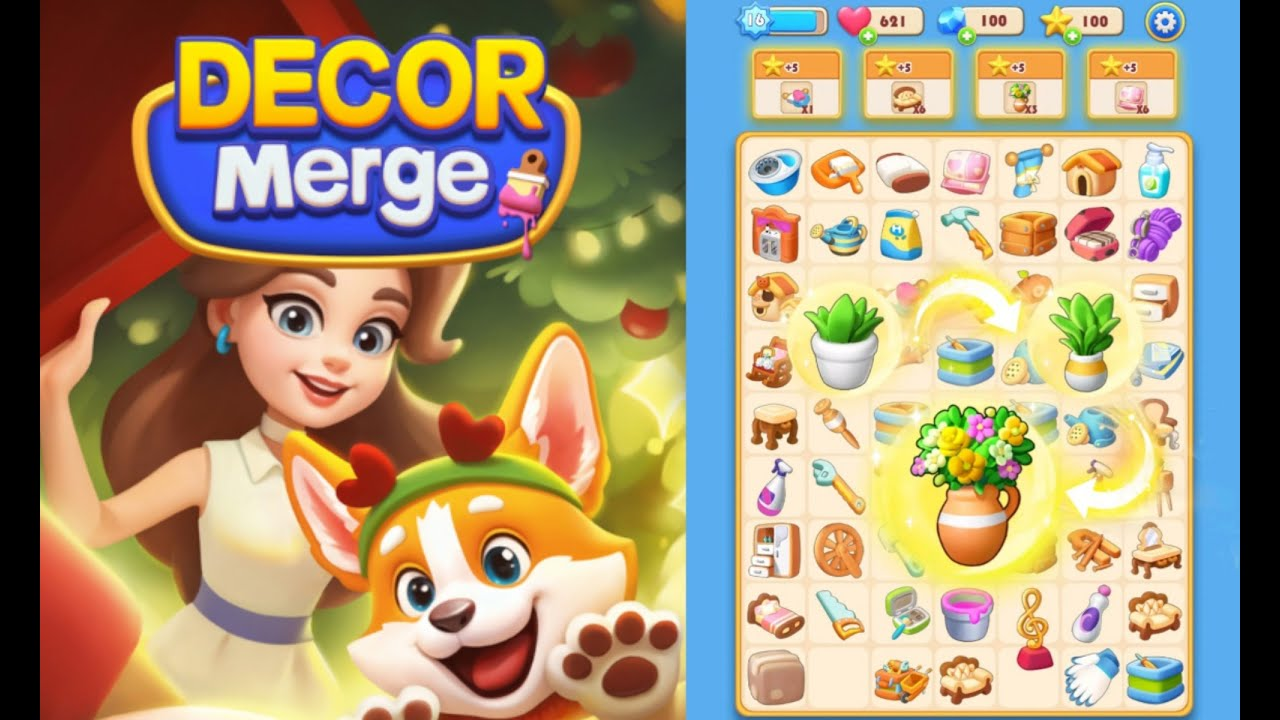
In Decor Merge, a well-optimized garden layout does much more than look pretty—it directly impacts your merging efficiency and pace toward milestone rewards. If you’re working on a mobile game offer with real-world incentives, designing your garden with careful attention isn’t just cosmetic: it’s a crucial strategy for clearing merge chains, maximizing space, and hitting those all-important progression goals. This guide gives you practical, step-by-step advice for optimizing your garden’s layout to achieve faster merge progress, whether you’re playing free or aiming for maximum value with minimal spending.
Why Garden Layout Matters for Merge Progress
The structure of your garden board determines how many merges you can complete with the minimum effort and the fewest wasted moves. A cramped, disorganized garden quickly fills up, forcing you to spend extra energy clearing junk or moving items repeatedly. On the other hand, a deliberately arranged layout gives you flexibility, saves time, and prevents rookie mistakes like accidental merges or running out of room before a big merge opportunity.
By optimizing placement, you create a merge-friendly workspace where generators, resource drops, and merge chains are kept organized. This separation helps you plan larger merges, batch similar items for five-merges (which give better returns), and keep your main pathways clear for spawning and collecting. As a result, you move through milestones and daily tasks much more efficiently, using fewer resources and reducing unnecessary in-app purchases.
Ultimately, an optimized layout means less board clutter, more merges per session, and a dramatically smoother path toward milestone or event goals. That’s why experienced players consistently prioritize layout management alongside smart merging and energy planning.
Core Principles for Smart Garden Organization
To build a board that supports rapid merging and milestone clearing, focus on these key principles:
- Keep Merge Chains Grouped: Always cluster like items together (flowers with flowers, bricks with bricks). This makes it easy to spot merge opportunities and avoids clutter.
- Preserve Merge Space: Leave open lines or small empty areas between major chains. These mini-zones let you slide and arrange pieces for efficient five-merges.
- Isolate Generators: Place item generators (like chests or special decorative objects) on the edges or in a “generator corner” so you can collect their output without blocking main paths.
- Reserve a Junk Area: Set aside low-value tiles for trash or less useful drops. Clear this section regularly to make room.
- Use Perimeter for Storage: Temporary or long-term storage (high-level items held for later, unmerged parts) is best lined up along the garden’s perimeter.
Applying these principles prevents your board from turning into chaos after just a few sessions, keeping every move purposeful and every merge chain in easy reach.
Step-by-Step Layout Optimization Process
Here’s a structured approach for reworking your garden layout for merge efficiency, whether you’re just starting out or already knee-deep in merges:
- Survey Your Board: Pause between merges to glance over which chains you’re working, where clutter is building, and what areas could be better grouped.
- Clear or Merge Low-Level Items: If you have scattered singles or doubles, combine them (use five-merges when possible) or delete clearable trash to free up space quickly.
- Group Similar Chains: Drag all identical items together into tight blocks, leaving a space or two for maneuvering around five-merges and spawns.
- Shift Generators: Move all frequently-used generators off to one side, so their constant item drops don’t disrupt your primary merge lanes.
- Designate an Overflow/Junk Zone: Use a consistent “junk corner” for unwanted spawns, low-level quest items, or non-merge collectibles. Empty it out before it overflows.
- Plan for Future Merges: Leave room for high-value merges by keeping mid- and high-level items parked along edges, ready for the right moment.
If you implement this sequence regularly (such as after finishing a merge chain or before generating new items), you’ll maintain a tidy, efficient garden that speeds up daily and milestone progress.
Efficient Progression and Milestone Strategy
Your ultimate goal in reward-driven Decor Merge play is to hit milestones as rapidly as possible—ideally with little or no spending. Optimized layouts help, but pairing that physical board strategy with milestone-focused progression multiplies your efficiency.
- Read Milestone Conditions First: Before diving into merges, check which items or merge levels are needed for your current and next milestones so you don’t waste resources on irrelevant chains.
- Batch Merge for Bonus Returns: Collect groups of five (not three) whenever feasible. Five-merges give you two upgraded items instead of one, multiplying your progress per move.
- Prioritize Resource Generators: Build out chains that provide ongoing resources (coins, boosters, keys) before luxury or purely decorative chains.
- Manage Storage Proactively: Don’t let rare items clog up space—either merge them onward, use storage features wisely, or place them in an edge parking area until needed.
- Capitalize on Events and Missions: If there’s overlap between daily quests and milestone requirements, queue up your merges so you knock out both with a single action.
Some players like to use event-driven opportunities to collect a surplus of high-level merge items, then synchronize their merges with milestone or event finish lines for “double dip” progress. Strategic use of the board layout—keeping chains and resources sorted—makes this much more efficient.
If you want to go deeper on milestone-oriented progression, check out our resource on Pro Tips for Prioritizing Merges to Save Time and Resources where order-of-operations and merge priorities are explored in even greater detail.
Common Mistakes and How to Avoid Them
Even savvy players can fall into simple traps that undermine their progress. Here are some of the most frequent layout and merge mistakes, along with actionable solutions:
- Overcrowding From Unmerged Singles: Spreading singles everywhere fills the board fast and blocks new drops. Solution: consolidate items frequently; batch singles for fives as space allows, and delete what you won’t use soon.
- No Dedicated Junk Zone: Letting trash and broken items mingle with valuables leads to costly mis-taps. Solution: establish a fixed “junk corner” for temporary drops and clear it every session.
- Mixing Generator and Chain Items: Generators buried in the middle of merge chains cause spawns to scatter and disrupt clusters. Solution: Always move generators to the outermost rows or columns.
- Neglecting Perimeter Storage: Randomly parking high-level items means you’ll lose track and possibly merge by accident. Solution: Park rare, high-value, or quest items along one edge and keep them there until they’re needed.
- Wasting Merge Potential: Rushing three-merges out of impatience loses a one-for-one upgrade opportunity. Solution: Always try for five-merges, even if it means storing an extra item for a while.
Avoiding these pitfalls goes a long way toward keeping your layout clean and your progression timeline on target.
No-Spend and Low-Spend Optimization Tactics
If you’re aiming to finish your offer or reach milestones with minimal spending, every space, merge, and generator matters. Here’s how layout strategy dovetails with smart spending discipline:
- Limit Storage Use: Only use premium storage slots for items absolutely essential for milestone merges. Let the board and perimeter function as your main “inventory.”
- Be Picky With Boosters: Don’t activate merge boosters or quick-merge tools just to clear clutter. Wait for high-value opportunities that overlap with milestone requirements.
- Plan Sessions Ahead: Map out where merges are likely to occur next so you don’t spend energy or currency fixing a sloppy board.
- Take Advantage of Free Bonuses: Daily gifts or free spawns should be claimed and placed in the correct area right away to avoid mid-board clutter.
- Avoid Unnecessary Unlocks: Don’t clear more board or buy premium rows/columns until you truly need the space for a priority merge or milestone event.
For more insights on board management and milestone-focused merging, you may want to explore these milestone progression tips for merge games for transferable strategies that apply well to Decor Merge’s resource and space management.
Final Thoughts: Make Every Tile Count
Decor Merge rewards the methodical player. By treating your garden layout as a core part of your strategy, you set yourself up for faster merges, easier milestone clears, and less time (and money) wasted on fixing mistakes. Consolidate chains, manage spawn points, maintain a junk area, and always plan with both your current merges and your future milestones in mind. Optimize now, and enjoy a smoother, more rewarding path as you progress through your Decor Merge offer or event.