
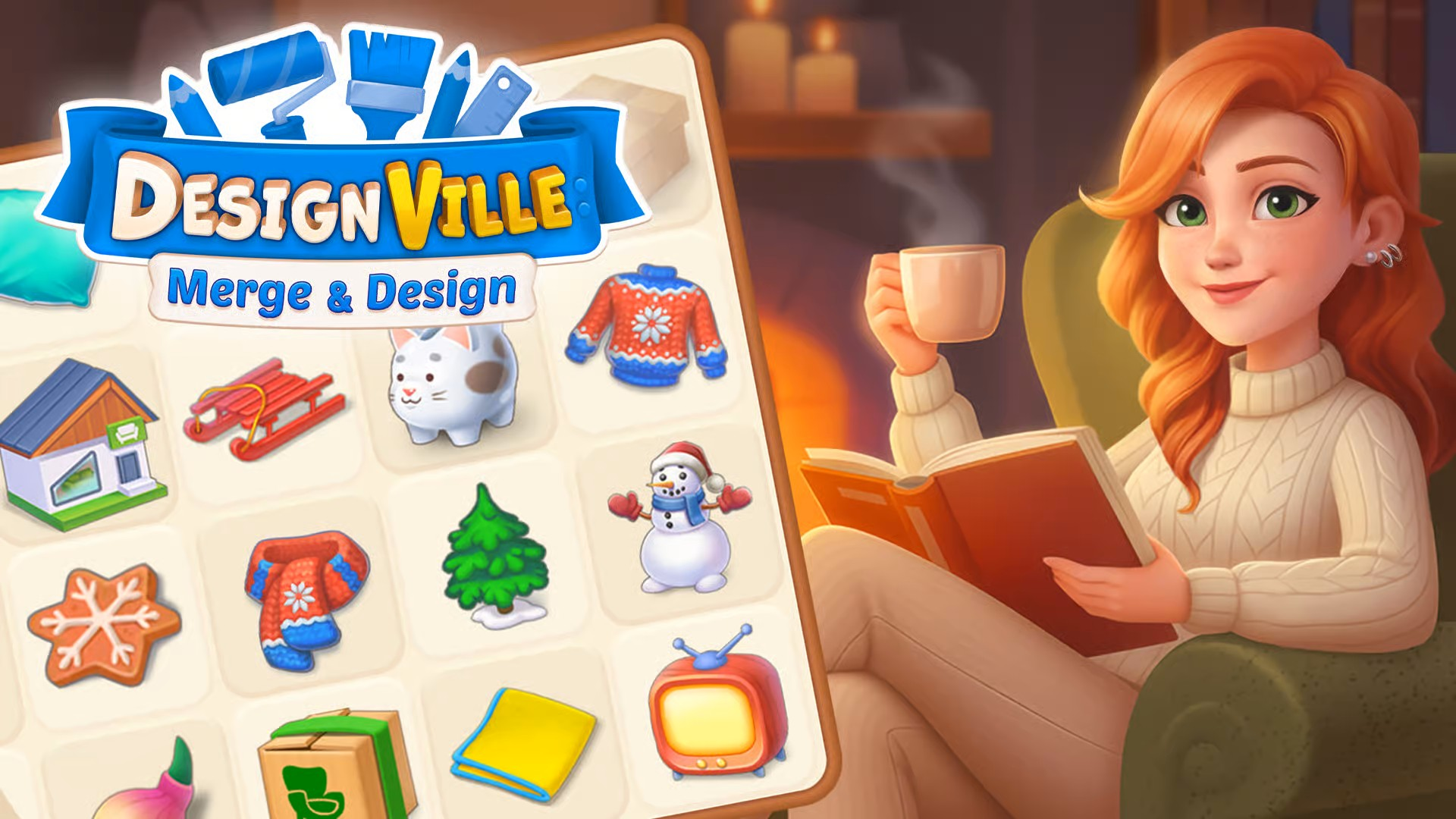
Designville progress often slows when your energy runs out halfway through an order. This guide helps you plan merges around natural refills, spend energy where it moves your current goal forward, and avoid board choices that turn a short session into a long wait. Use the routine here to make steady progress on a rewarded mobile game offer without treating every refill as a reason to spend. The key is to connect each production session to a clear outcome: a useful merge, a completed order, or a cleaner board that is ready for your next visit.
Treat Energy as a Schedule, Not an Emergency
Energy is the action budget for producing many of the items you merge. Since it replenishes over time, your best advantage is planning when you use it. Energy regeneration is commonly described as automatic, but the rate and storage limit can vary by game version or account. Check the timer and cap shown in your game rather than building your whole plan around a number from another player. This overview of Designville’s energy refill behavior is a useful reference, but your in-game display should be your final guide.
When you have time for a session, use available energy before it sits at its maximum for too long. If your meter is full, further regeneration may be wasted until you spend some. On the other hand, do not feel obliged to spend energy just because it is available. If you are about to log off and your board is already crowded, a small amount of planned spawning may be more useful than creating a pile of items you cannot merge or store. The right choice depends on your space, your current orders, and whether you can make progress with the energy you have.
Build a simple check-in rhythm around your day. Spend energy during a focused session, then return when the meter has recovered enough for another useful batch. If a refill timer is visible, use it to estimate your next login. You do not need to check constantly; frequent short visits can be less efficient than a few sessions where you have enough energy and attention to complete a clear objective. If your schedule is unpredictable, treat the timer as a rough guide rather than an appointment you must keep.
A useful way to judge a session is to ask whether the next few actions can change the state of your board. If you can produce an item, merge it into a needed tier, or complete an order, spending energy may be worthwhile. If you are short on space or still deciding what to pursue, wait until you have a better plan. This small pause can prevent energy from turning into clutter that you must sort out later.
Plan the Board Before You Tap a Generator
Before spending energy, scan your active orders and the items already on the board. Identify which item chains can contribute to an order, then check whether you already have matching pieces that can be merged. A merge uses items you have produced; spawning new items is often what costs energy. Clearing a pair already on the board can create space and advance a chain without requiring another generator tap.
Group related items together and leave a few open spaces for new drops. A compact board makes it easier to see pairs, but avoid packing every tile tightly around a generator. If you cannot place the next item, you may have to spend time rearranging pieces or make a poor choice about what to keep. Treat empty cells as working space, not wasted space. Before a production batch, consider where new items are likely to land and whether you have enough room to handle them.
- Check active orders before producing anything.
- Merge available matching items first to reveal the next useful tier.
- Leave open tiles near the generator for new drops.
- Move unrelated chains to a consistent edge or storage area if available.
When you do need to produce items, use a short batch rather than tapping without a stopping point. After each batch, merge what you can and compare the board with your order needs. This pause helps you notice when you have enough of a lower-tier item, when a higher-tier merge is possible, or when the board is becoming too crowded. It also makes your energy use easier to judge across sessions. A batch does not have to be the same size every time: use fewer actions when space is limited and continue only if the drops are still useful.
If your board has storage or another way to move items off the main grid, check its limits and rules before relying on it. Storage can be helpful for keeping unrelated pieces out of the way, but moving an item does not necessarily make it available for an order or merge while it is stored. Keep the items you need for your immediate objective accessible, and use storage for pieces that are less urgent.
Match Your Merges to Orders and Milestones
A merge is most valuable when it helps finish an order, unlocks a needed item, or creates room for the next production cycle. Avoid building every chain to its highest possible tier simply because you can. If an order asks for a lower-tier item, check whether you can deliver that item directly instead of combining it into something the order does not need. A higher tier is not automatically better when the board and energy supply are limited.
For a long chain, work backward from the requested item. Count the merges needed and estimate how many base items you may need, then compare that with the pieces already on your board. The exact number depends on the chain and any special drops, so use the game’s item progression as your guide. This quick check can reveal whether one more generator batch is likely to finish the order or whether you should pause and wait for energy to recover. Recheck the chain after each merge, since a new drop or an existing piece may change your estimate.
For rewarded offers, set a session goal around a meaningful milestone rather than aiming to complete everything in one sitting. A practical target might be finishing one order, earning enough currency for a required renovation step, or reaching the next visible task marker. Complete the action that actually advances the offer objective, then confirm the progress registers before spending more energy. Offer requirements and tracking can differ, so read the current task terms carefully. Keep a note of the next step if the offer has several stages, so your next session starts with a clear target.
Completing an order can return rewards or clear board space, which may make it a better stopping point than spreading effort across several unrelated orders. If two orders need items from the same chain, compare their requirements and prioritize the one that is closer to completion or tied to your next milestone. For broader advice on pacing upgrades and resources, see these Designville budgeting tips for faster growth.
There may be times when neither order is an obvious priority. In that case, favor the one that can be completed with items already on the board or with a small, manageable amount of production. Avoid splitting a limited energy supply between two long chains unless both are close to useful results. Making one order progress clearly is often easier to manage than leaving several partial chains scattered across the board.
Use a Refill-Based Progression Routine
A repeatable routine reduces wasted energy and makes progress easier to measure. At the start of a session, look at your energy, board space, orders, and next milestone. Choose one main objective, then spend energy in batches that serve it. When the meter runs low, stop to merge, deliver completed items, and decide whether another action is worth the remaining energy. This routine works whether you have a few minutes or a longer stretch to play because it gives every session a defined beginning and stopping point.
- Start: Check the current order and milestone, then identify useful merges already on the board.
- Produce: Use a measured batch of energy on the generator that supplies the needed chain.
- Sort: Merge pairs, keep required items, and clear unrelated clutter when safe.
- Finish: Complete an order or milestone step if you can, then note what remains for the next refill.
If you are close to an order but cannot finish before energy runs out, leave the board organized around that chain. Keep the most useful pieces together and avoid starting a second chain that will compete for space. When you return, you can continue immediately instead of spending the first part of your session remembering what you were doing or clearing avoidable clutter. If possible, leave a short reminder of the next item you need or the next merge you plan to make.
If you have several minutes before the next refill, use that time to review task requirements, plan the next sequence, or collect rewards that do not require spending energy. Some versions or events may offer optional videos, daily rewards, or other free bonuses. Treat these as extras, not guaranteed supplies, and check the reward before watching or claiming. If a reward adds energy, consider whether you can use it soon or whether collecting it now could push you against the meter’s cap.
Your stopping point matters as much as your starting point. Before leaving, merge obvious pairs, deliver any order that is ready, and make sure the remaining pieces support a goal you still care about. You do not need to tidy every tile perfectly. The aim is to make the next session easy to resume, not to spend extra actions for the sake of an empty-looking board.
Avoid Common Energy and Board Traps
The most common waste is producing items before checking what is already available. A board may contain a pair, a nearly completed chain, or an item that satisfies an order outright. Spending energy first can leave you with duplicates, fewer open spaces, and no faster route to the goal. Scan before every production batch, especially after returning from a break.
Another trap is merging automatically. Confirm that the result is useful before combining items, particularly when an active order needs a lower tier or when you want to preserve a piece for another request. Also avoid filling every open tile with fresh drops. Stop producing when the board is close to full and organize it before you risk blocking the next useful item. If you are unsure whether a merge is helpful, compare the result with your active orders and next milestone first.
- Do not spend energy on a chain that does not support an order or near-term goal.
- Do not merge an item needed in its current form without checking the order.
- Do not claim or buy a refill automatically if your energy is already near its cap.
- Do not use premium currency to skip waiting unless the purchase clearly advances a valuable objective.
For no-spend play, let the timer do its job and plan around the energy you receive naturally. Use free rewards when they fit your schedule, and save premium currency for choices with a clear, worthwhile return. If you are considering a low-cost purchase, compare it with the time remaining on your offer and the number of milestones it could realistically help you complete. A refill that only lets you start another unfinished chain may not be good value. Never feel that a timer alone means you must buy a boost; waiting for a natural refill is a valid part of the plan.
Watch for decisions that create pressure without adding meaningful progress. Starting several chains, collecting energy you cannot use, or chasing an optional reward can leave you with a fuller board and no completed objective. When that happens, reset your focus: inspect the orders, select the closest useful target, and spend only when you have room to handle the resulting items. A calm, limited session is usually easier to repeat than a rushed one.
Conclusion: Make Every Refill Count
Efficient Designville progress comes from pairing energy with a clear plan. Check orders before spawning, merge useful pieces first, preserve board space, and stop when your next action no longer supports a milestone. Build sessions around natural refills, use free rewards thoughtfully, and avoid spending premium currency just to keep tapping. With a tidy board and one focused objective per session, each refill can move you closer to your offer goal. Keep your routine flexible, trust the energy and task information shown in your game, and let the next session begin with a board that is ready for useful work.