
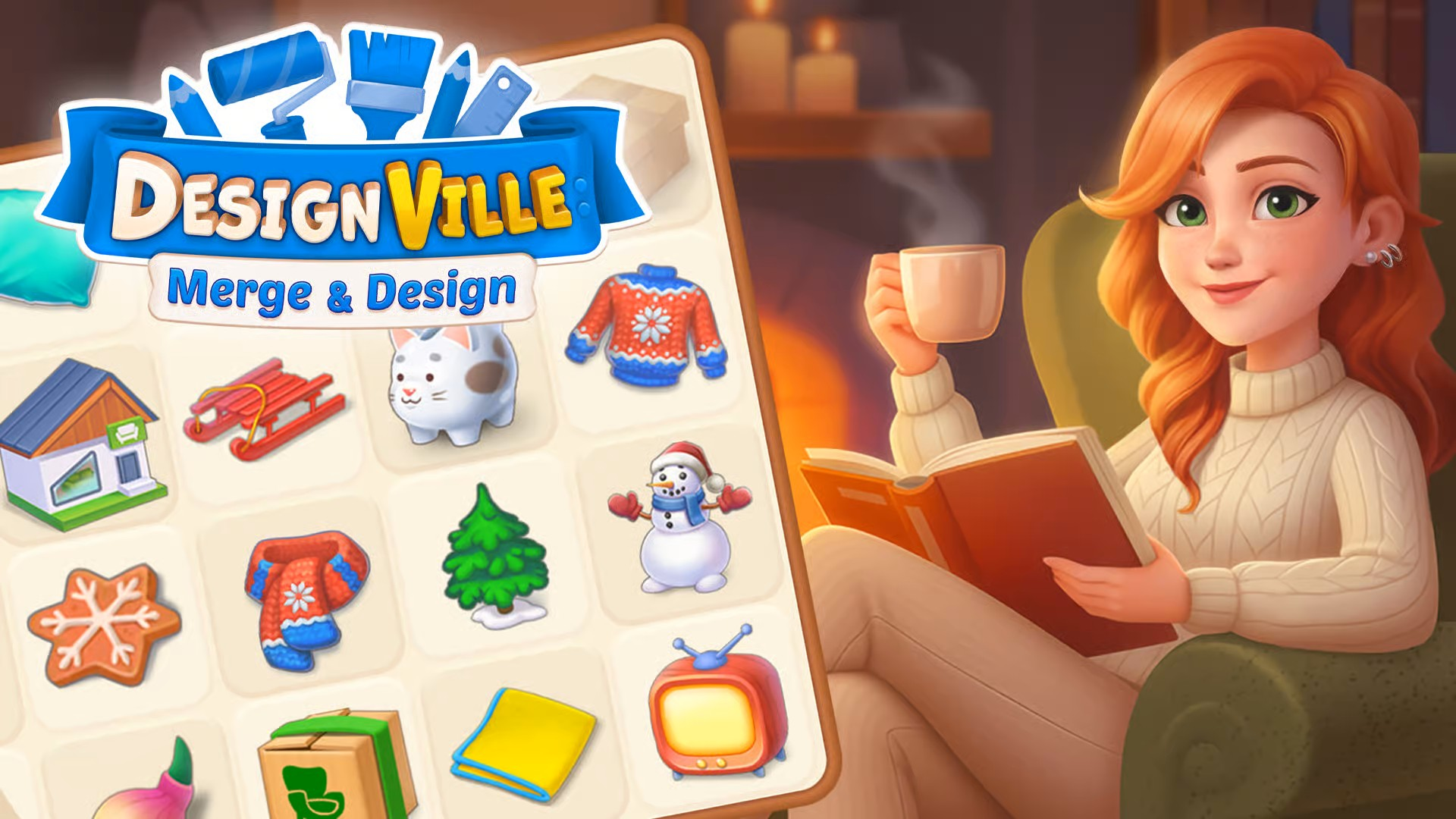
If you’re aiming for maximum rewards during Designville’s limited-time event planning challenges, this guide will help you play smarter—not harder. Whether you’re progressing for a mobile game offer or just want to get the most from every event, you’ll discover practical strategies to hit milestones efficiently and avoid costly mistakes. You’ll learn when and how to invest your effort, how to structure your play time, and which temptations can actually slow your progress. Let’s optimize your event results and make sure every minute in Designville counts.
Understand Event Structures and Reward Tiers
Before diving into an event, make sure you’re clear on its specific structure. Designville event challenges usually come with a set of milestones, a timer, and escalating rewards as you progress. Skimming through the event’s rules and available prizes will help you focus your energy on the most rewarding tasks. Note details like:
- Event duration—how much real-world time you have
- Key milestones and the point requirements for each tier
- Which tasks (e.g., crafting or decor upgrades) give the most event points
- Exclusive items only available through the event
Some events prioritize merging, crafting, or special customer requests. Compare time-to-reward ratios: often, higher-tier rewards are much better value for your effort, especially if they include rare items or progression boosts. Understanding these distinctions ensures you set realistic goals and don’t burn out chasing low-yield milestones.
Plan Your Playtime: Efficient Progression and Milestone Strategy
Time management is the foundation of good event performance. Unlike the regular game loop, event periods are unforgiving—you either claim your rewards within the window, or miss out entirely. Use these methods to chart your path to every meaningful milestone:
- Set target milestones early. Don’t aim for every prize if your realistic schedule only allows you to reach the first few. Focus on the milestones with bonuses that boost core progress or provide exclusive event items.
- Batch actions for maximum efficiency. For example, if crafting gives event points, schedule several upgrades at once, collecting results back-to-back to minimize downtime and resource waste.
- Use in-game timers. Optimize “idle time” by queuing longer crafts or merges while you’re away, and save rapid/short activities for active sessions.
- Avoid unnecessary actions. Only work on event objectives that actually progress your milestone tracker—don’t get distracted by regular side tasks unless required for event scoring.
For milestone challenges that scale in cost or difficulty, it’s often most efficient to “frontload” easier requirements early when competition is lowest and event energy is highest. As your progress slows, reassess whether the next milestone is worth a push or not.
Smart Resource Management During Events
Limited-time challenges often strain your in-game reserves. To maximize event rewards while staying no-spend or low-spend, you’ll need to ration your key resources with care:
- Save boosts and consumables for tough milestones, not early easy tasks. Don’t waste rare power-ups when simple merges will do.
- Prioritize crafting and upgrades directly tied to event points over vanity or side upgrades.
- Monitor your energy and timers. If the event uses stamina or energy, avoid running out; try to time your play so energy refills during real-life downtime.
- Don’t spend premium currency impulsively. Only use gems, tickets, or paid boosts if a key milestone is definitely within reach—and only after other paths are exhausted.
- Leverage free and daily rewards. Event dailies, login bonuses, and free spins can accelerate your progress—always claim them and sync your main play sessions shortly after to catch newly-refilled resources.
This smart approach lets you finish strong, even as requirements ramp up in later stages, without getting stuck or tempted into unplanned purchases.
Event Challenge Mistakes to Avoid
Even seasoned players can stumble during high-pressure events. Steer clear of these common pitfalls to make your event grind smoother and more rewarding:
- Spreading yourself too thin. Don’t try to do every possible event task. Prioritize actions that directly advance your current milestone, and drop less efficient goals.
- Chasing leaderboard ranks at any cost. Unless the difference between your ranking and a top prize is within easy reach, it’s usually not worth draining resources—or paying real money—for a minimal upgrade.
- Misreading event requirements. Always double-check what counts toward your milestone bars, especially if you notice progress isn’t tracking as you expect.
- Neglecting regular game progression. While events are tempting, don’t completely ignore upgrades or resource generation that you’ll need after the event ends.
- Overusing premium items early. It’s tempting to burn through premium boosts at the start, but the last milestones often cost the most—save powerful items for the real bottlenecks.
By staying disciplined and alert to these traps, you’ll make smarter plays that keep both your event score and your overall game health in good standing.
Balancing Event Progress with Core Game Advancement
It’s easy to become hyper-focused on event goals and neglect the core systems that power long-term growth in Designville. However, many events are designed so that efficient regular play supports event progression too. You’ll want to:
- Schedule mainline upgrades around event objectives. If your main story tasks overlap with event point tasks, tackle these at once for “double progress.”
- Continue fulfilling customer needs and routine tasks unless it drains critical event-only resources.
- Invest in upgrades that boost event performance. For example, faster production or storage upgrades may let you complete more event actions in less time.
This balancing act is especially relevant for no-spend and low-spend players, as you’ll need to build up reserves for future events, not just the current one. For additional strategies that focus on broader efficiency not just during events but in all aspects of play, reviewing the guide on Designville Efficiency: Top Tips to Maximize Your Resource Gains Fast can be valuable.
Prioritize Exclusive and High-Impact Rewards
Not all event rewards are created equal. When time or resources are limited, set your sights on rewards that will pay off the most in the long run—these are usually:
- Exclusive decor, characters, or functional items only available through the event
- Progression boosts (e.g., storage increases, production multipliers, special tools)
- Premium currency or items for free or at a steep discount
Check the full milestone list at the event’s start, and aim for at least one key prize that advances your game even after the event ends. This might mean ignoring smaller, more frequent boosts that don’t have a meaningful impact or can be earned through regular gameplay. The opportunity costs grow as event energy wanes, so focus your late-stage pushes on your highest-priority item only.
Conclusion: Make Every Event Count
Mastering Designville’s event planning challenges comes down to knowing the event, setting efficient goals, smartly managing resources, and avoiding the usual time-wasters. Prioritize exclusive rewards and never lose sight of your long-term growth. With the strategies outlined above, you’ll not only maximize your milestone rewards for each limited-time event, but also ensure that every effort you invest has a meaningful impact for your overall Designville journey.